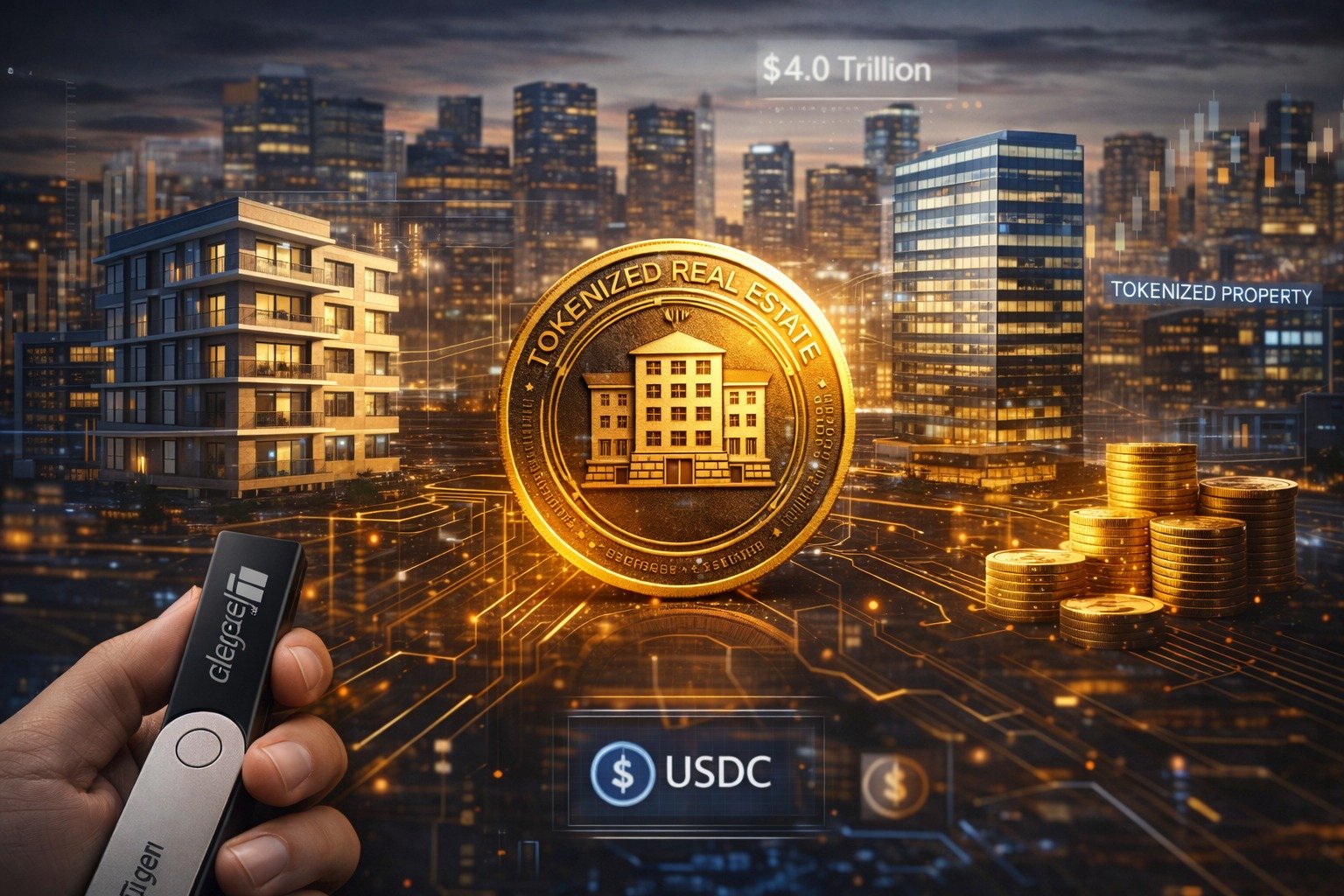
As of early 2026, the RWA market has moved from experimental “crypto projects” to institutional-grade financial products. With major players like BlackRock and JPMorgan settling billions in tokenized assets, real estate is leading the charge. Market analysts now project the tokenized real estate sector to reach $4 trillion by 2035, up from just $300 billion in 2024.For the modern investor, the goal is simple: Strategic Growth through high-yield, tangible assets.
- What is Tokenized Real Estate?
Tokenization is the process of representing ownership of a physical property as digital tokens on a blockchain (typically Ethereum, Solana, or Layer 2s like Base). Each token represents a fractional share of the underlying asset—whether it’s a luxury apartment in Miami, a commercial warehouse in London, or a vacation rental in Bali.
The Mechanics: How it Works
SPV Formation: A property is placed into a Special Purpose Vehicle (SPV), a legal entity that holds the title.
Token Issuance: The equity or debt of that SPV is divided into millions of digital tokens.
Smart Contracts: These tokens are governed by code that automatically handles rental income distributions, voting rights, and compliance (KYC/AML). - Why RWAs are the New Backbone of Finance
In 2026, the “Institutional Rail” isn’t just for Bitcoin; it’s for buildings. The benefits of moving real estate on-chain are undeniable:
Fractional Ownership: You can now invest in a $50 million office tower with as little as $50 or $100. This democratizes access to “Class A” real estate previously reserved for the ultra-wealthy.
24/7 Liquidity: Unlike traditional real estate, which can take months to sell, RWA tokens can be traded on secondary markets (like tZERO or Uniswap) in seconds.
Transparency: Every transaction, title deed, and maintenance record is recorded on an immutable ledger. This reduces fraud and the need for expensive middlemen like title companies and escrow agents.
Automated Yield: Your share of the monthly rent is dropped directly into your crypto wallet as a stablecoin (USDC/USDT), creating a truly passive income stream. - The 2026 Regulatory Landscape: The “Green Light”
The biggest catalyst for RWA growth has been the GENIUS Act of 2025 and the Clarity Act of 2026. These federal frameworks in the U.S. have provided a clear “sandbox” for tokenized securities.
In 2026, the SEC no longer views all tokens with skepticism. Instead, they have provided clear guidelines for Security Token Offerings (STOs). This has allowed traditional wealth management services to include tokenized real estate in their clients’ portfolios without fear of regulatory reprisal. - How to Invest: A Step-by-Step Guide
If you are ready to build your “Digital Landlord” portfolio, follow this 2026 blueprint:
Step 1: Choose a Regulated Platform
Do not buy “random” tokens on unverified sites. Stick to the leaders who prioritize compliance:
Lofty: Excellent for retail investors looking for U.S. residential rental income.
RealT: A pioneer in fractionalized U.S. properties with daily rent distributions.
Ondo Finance: For those looking for institutional-grade structured products.
Securitize: The gold standard for regulated primary and secondary trading.
Step 2: Verify the “On-Chain” Due Diligence
In 2026, professional platforms provide a “Transparency Dashboard.” Check for:
Third-party Appraisals: Ensure the token price matches the real-world value.
Property Management: Who is fixing the toilets and collecting the rent? Ensure a reputable physical firm is involved.
Insurance: Is the building covered against fire, floods, and natural disasters?
Step 3: Use the Right Tools
To manage your RWA portfolio, you will need:
Hardware Wallet: Use a Ledger or Trezor to store your tokens. In 2026, “Cold wallets for crypto” are the only way to ensure long-term security.
Crypto Tax Software: Since these are regulated securities, your gains are taxable. Use tools like Koinly or CoinLedger to automate your filings. - Risks to Watch in 2026
While the “Rise of RWA” is bullish, it is not risk-free. At WealthArca, we prioritize candor over hype:
Smart Contract Risk: Even the best code can have bugs. Ensure the platform has been audited by firms like Trail of Bits or OpenZeppelin.
Secondary Market Depth: While you can sell 24/7, if there are no buyers for your specific property token, you may have to sell at a discount.
Physical Property Risk: A token doesn’t stop a hurricane. Real-world issues like vacancies or tenant disputes still affect your yield.
Key Takeaways for the WealthArca Investor:
Diversification: Don’t just buy one property. Spread $1,000 across 10 different tokenized buildings to minimize risk.
Long-Term Horizon: Treat RWA tokens like a “Digital 401k.” The real wealth is built through compounding rental yields.
Compliance is King: Only invest through platforms that require KYC (Know Your Customer) and offer legal protections
No responses yet